
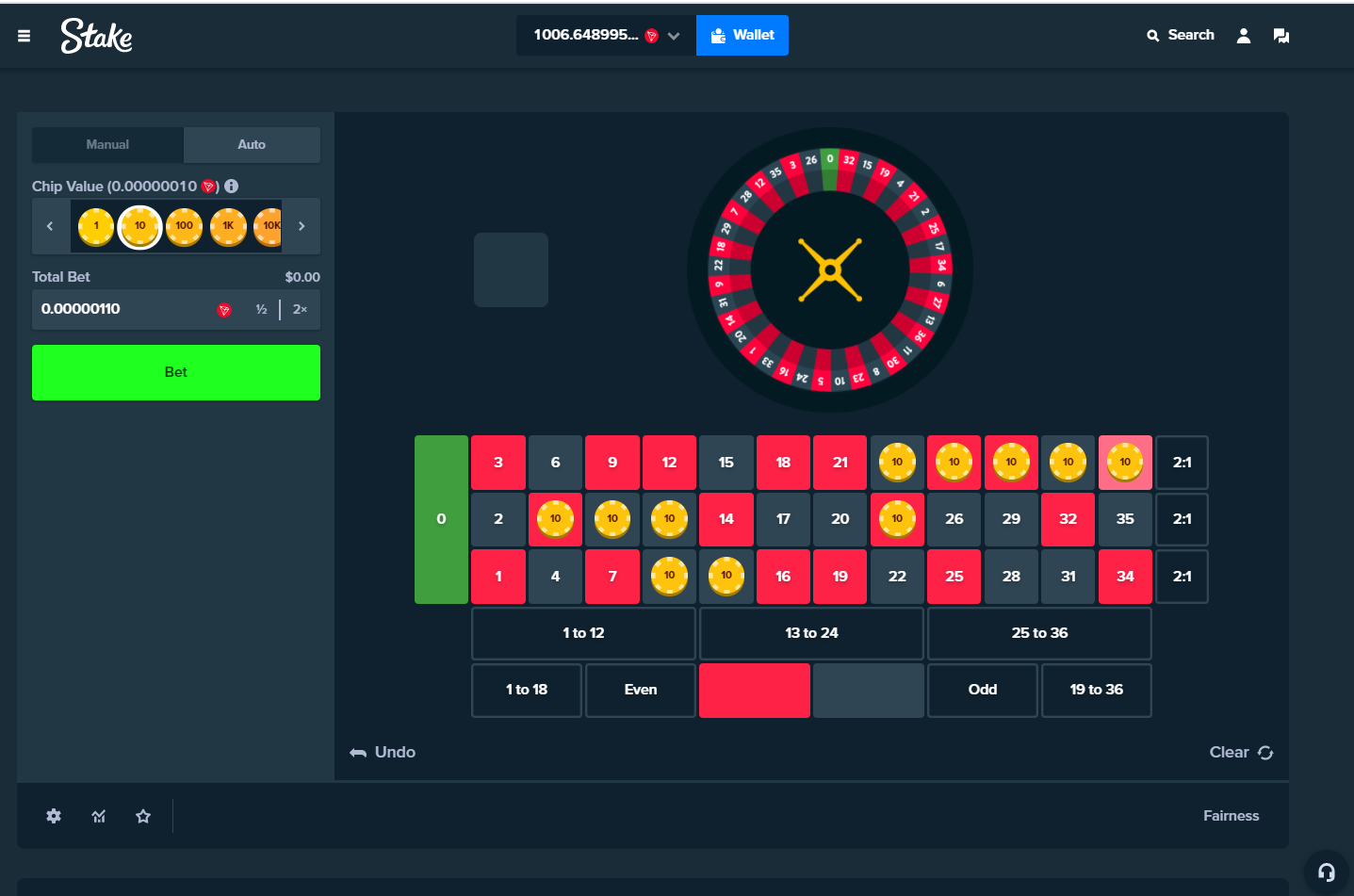
Assessing online casino stake gamings means seeing beyond the welcome bonuses to the technical backbone. In Canada, where internet service can be unpredictable, this backbone dictates if a site is a delight or a burden to use. Stake Casino gets this right with a core piece of engineering: its cache management. This is the smart, behind-the-scenes data handling that makes games load in a blink, updates your balance without a problem, and keeps the whole platform feeling responsive. Let’s explore how this technical approach delivers real benefits for Canadian players every time they log in.
Enhancing Mobile Performance on Different Networks
Mobile play is critical, and Canada’s networks are a patchwork of urban 5G and rural LTE. Stake’s cache management is tailored for this reality. It uses adaptive caching that checks your connection strength and pre-loads assets accordingly. On a strong link, it might store high-resolution graphics for later. On a weak signal, it concentrates on the critical data needed to keep the game running. This flexibility maintains the app responsive whether you’re on a Toronto subway or at a lake cabin with two bars of service. The app also keeps a persistent game cache, so your go-to slots are almost like they’re pre-installed.
Improving Data Load and Bandwidth Usage
Numerous Canadians watch data caps. A substandard casino can chew through your monthly limit by loading the same game files again and again. Stake uses careful cache validation. When you launch a game, it avoids re-downloading everything. It looks for small, incremental updates and only fetches what has really changed. This data-thrifty approach preserves your bandwidth, which is important for players on mobile plans or with limited home internet. It keeps the fun from resulting in an overage charge. For a returning player, this method can cut data use per session by up to 60%.
Maintaining Real-Time Accuracy for Bets and Balances
A delayed balance update or a bet that seems to hang will shatter your trust fast. Caching static game art is straightforward, but dynamic data like your wallet balance needs a delicate touch. Stake uses a multi-tiered plan. Your session data is stored for instant visual updates on screen, but it aligns continuously with secure, real-time database checks. You observe your balance change immediately, while the backend verifies the numbers are accurate. For a Canadian player, this implies you can watch your CAD balance with certainty during a fast session. The system employs a write-through cache for money; your deposit or withdrawal is confirmed at the database before the local cache even changes.
Reducing Latency for Flawless Canadian Gameplay
Latency is that annoying delay before data starts moving. It’s the enemy of live blackjack and rapid-fire slot spins. If you’re in Vancouver and the game server is in Toronto or further, every millisecond adds up. Stake’s cache management handles this by saving static game parts—graphics, sound effects, core code—right on your device after you load them the first time. Your next spin or card draw pulls from this local stash, not across the internet. You get a smooth frame rate and instant button response that makes the casino feel like it’s running from your own computer. During busy evening hours, the stability of Stake’s live dealer streams often surpasses other platforms.
Strengthening Security and Data Integrity Safeguards
Caching user data must be done responsibly. Stake’s system uses encrypted cache protocols with short lifespans for personal information. Importantly, the design never stores sensitive items like login tokens or full transaction details in risky locations. This protects Canadian players’ private and financial data, so the speed boost doesn’t create a security hole. Cached game files are checked with digital signatures to prevent corruption, which ensures the games fair and running as designed. All cached data is stored in sandboxed storage on your device, separate from other applications.
Understanding Cache Management: The Digital Short-Term Memory
Cache handling is how a system maintains frequently needed data in a temporary, fast-access spot. Imagine placing your morning coffee mug on the counter instead of in a high cupboard. For an online casino, this data encompasses game files, your profile, and active bets. Stake’s system is adept at guessing what you’ll need next and having it ready to go. This anticipation stops the site from constantly fetching information from far-off servers, a vital detail for a country as wide as Canada where data travel can slow things down. The system organizes data into short-term and longer-term caches, so your latest actions always get top priority for speed.
The Competitive Edge in the Canadian iGaming Industry
Canada’s iGaming scene is saturated and regulated. A seamless technical performance isn’t just an extra; it’s a key way to differentiate. While rivals invest on promotional gimmicks, Stake’s investment in efficient cache management provides a tangible advantage. It means improved stability, reduced disruptions, and a always refined feel. This technical strength builds user trust. Players may not recognize the term « cache management, » but they sense when a platform feels solid and responsive. For the Canadian player who prioritizes their time and data, this technical foundation is what makes the frontend experience authentically good. It’s a foundational quality you recognize more with every visit.
System Architecture: A Closer Look at the Architecture
What does Stake really do? They employ a hybrid model that layers browser memory, local device storage, and Content Delivery Network edge caching. This establishes multiple speed buffers. The CDN hosts game libraries on servers closer to you, perhaps in Montreal or Calgary, for a fast initial load. Your own device then handles for repeat visits. Their cache invalidation is event-driven. When a game provider deploys an update, a signal automatically clears the old cached version. You always get the latest game without having to flush your cache manually.